-

Multi-Objective Optimization Across Simulation Tools
If your design spans a TRNSYS plant model, an EES equation set, and a COMSOL heat-exchanger check, none of those tools can run multi-objective…
-

TRNSYS Economics Integration Explained
TRNSYS economics integration means treating cost as a live optimization objective, not a spreadsheet you build after the simulation runs. The standard TRNSYS library…
-

Surrogate Modelling CFD: PINN Methods and Uses
Surrogate modelling CFD replaces repeated fluid-dynamics solves with a trained model that predicts the same flow and temperature fields in milliseconds instead of minutes…
-
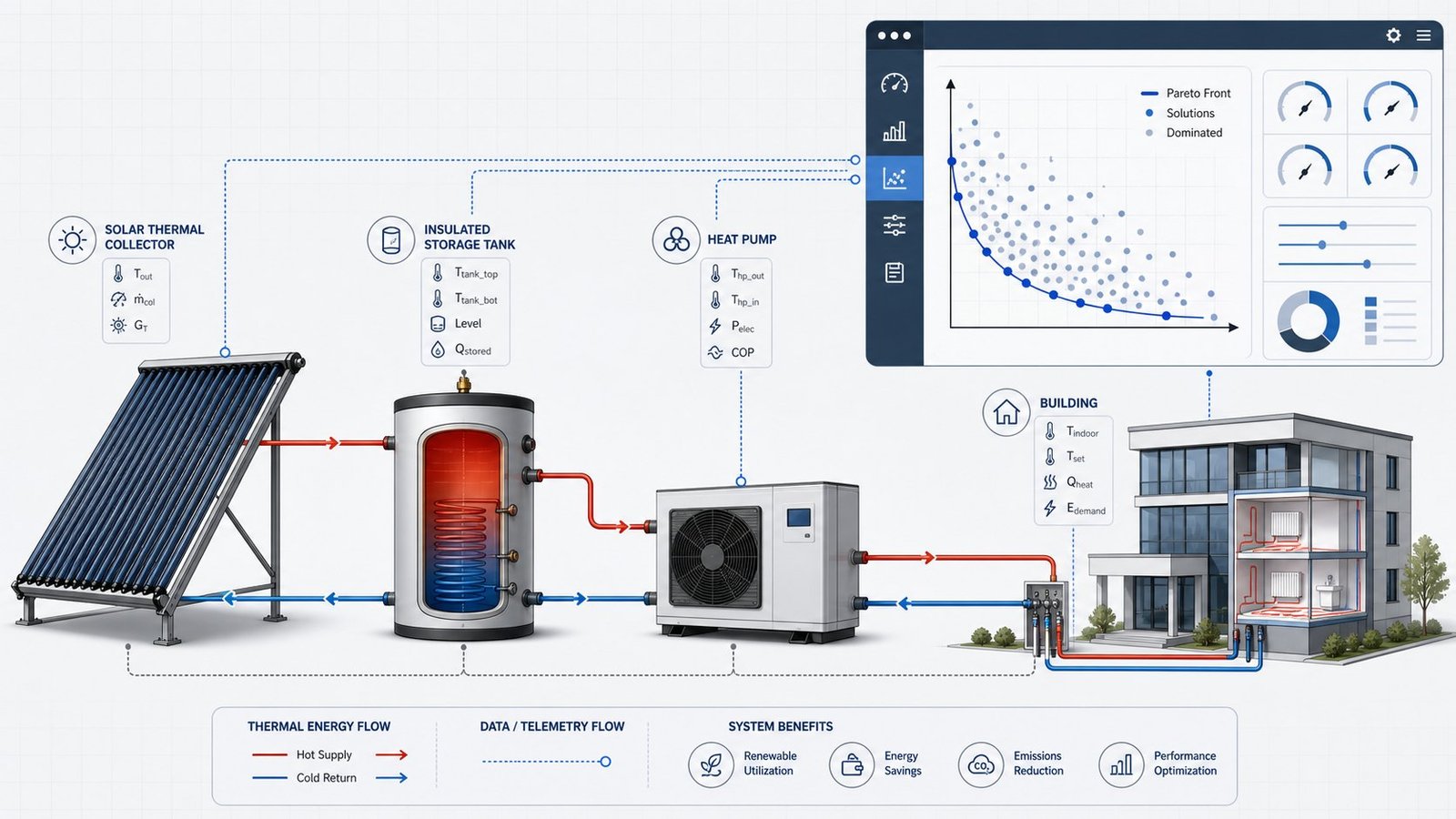
TRNSYS Energy System Simulation Explained
TRNSYS is a transient systems simulation program used for energy system modeling — solar thermal plants, ground-source heat pump loops, district heating networks, and…
-
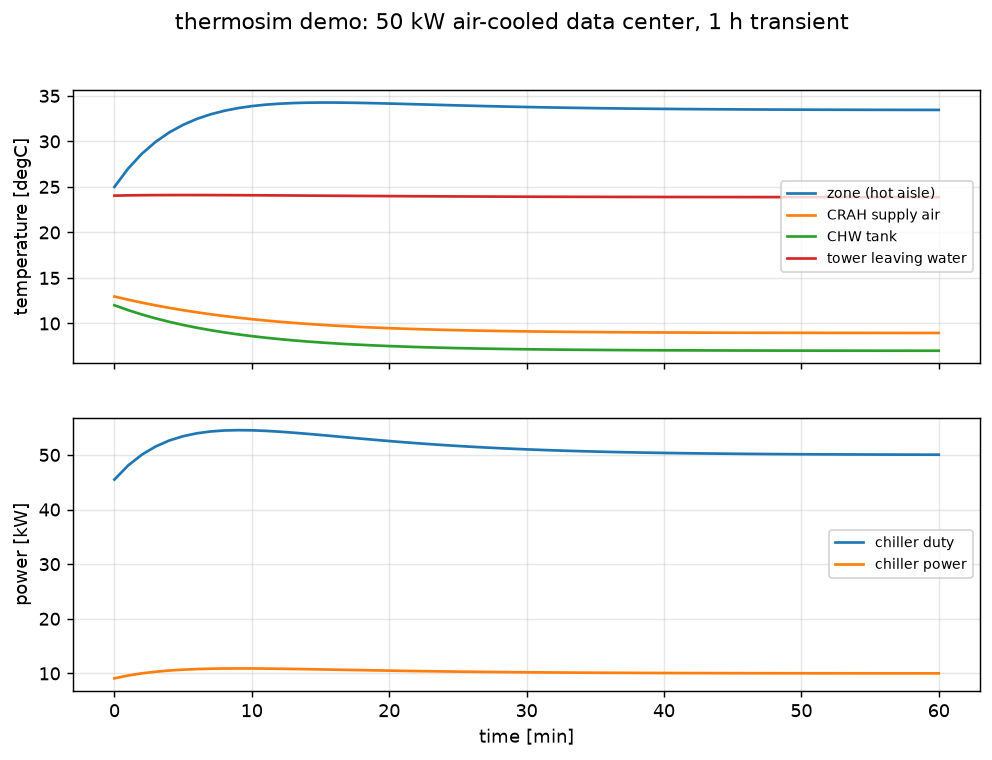
How to Reduce Data Center PUE: Simulation-Driven Cooling Design
PUE improvements come from a handful of levers: free cooling hours, warm-water liquid cooling, containment quality, and plant sequencing. Simulation puts numbers on each…
-
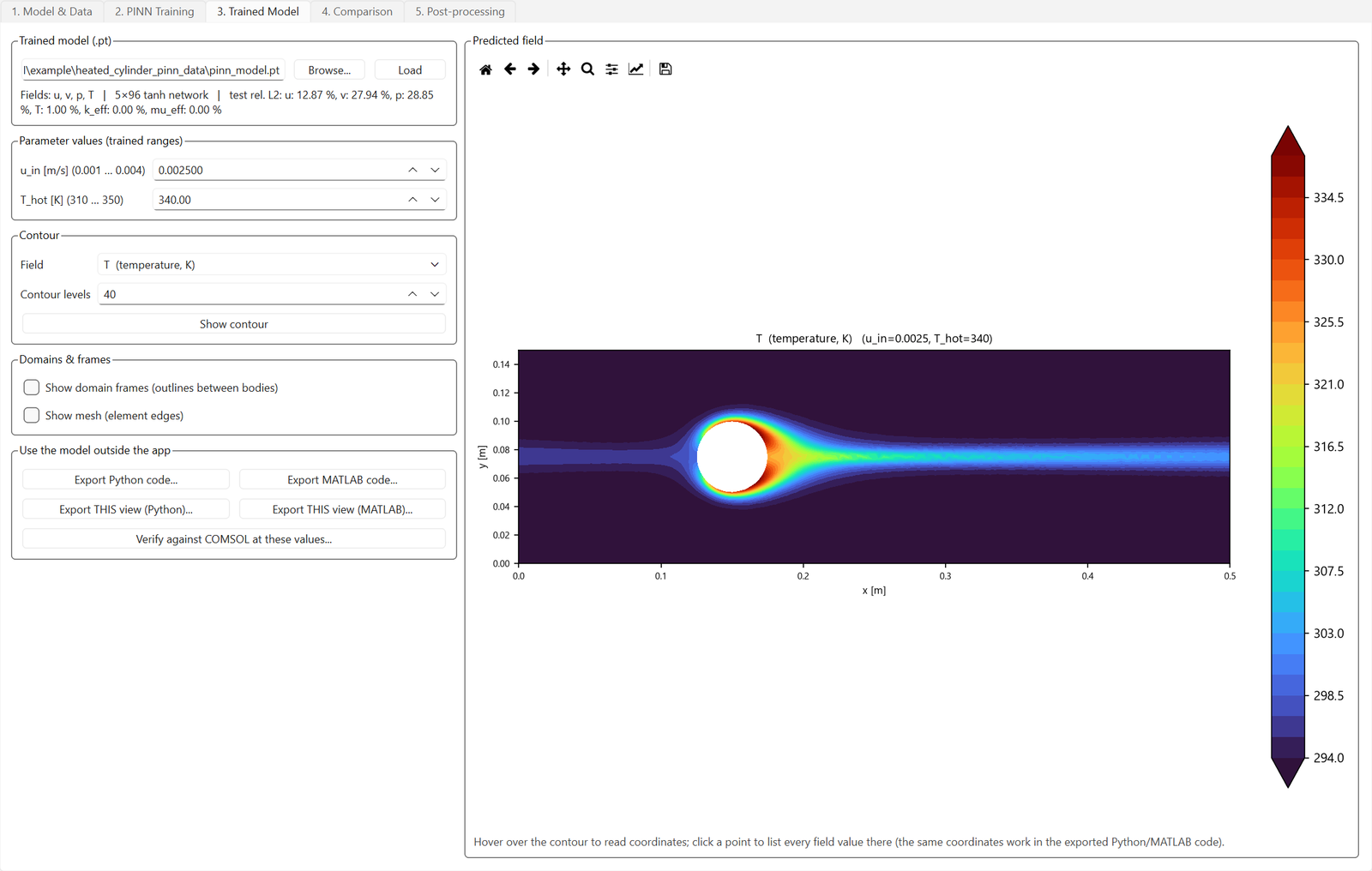
Physics-Informed Neural Networks Explained: When Can AI Replace CFD?
PINNs learn simulation fields from data while obeying the governing equations. What they are, what they can and cannot replace, and measured accuracy numbers…
-
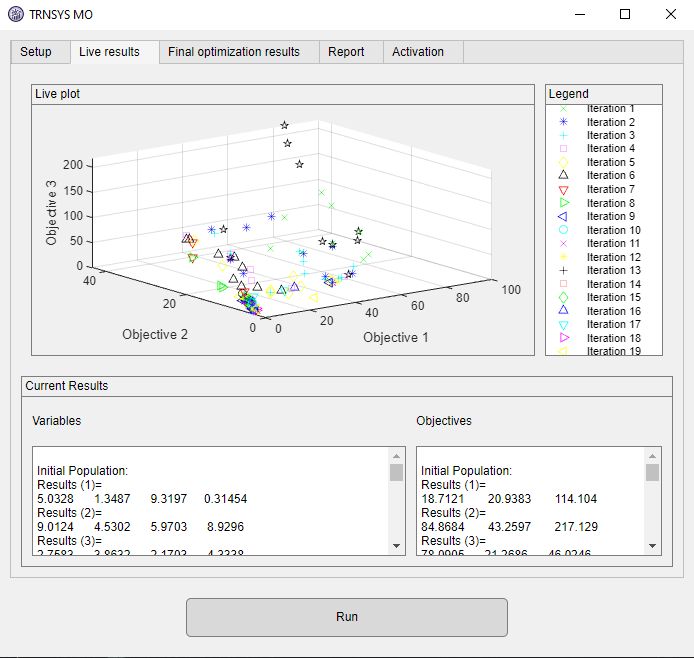
How to Run TRNSYS Simulations in Parallel (and Cut Optimization Time by ~8×)
TRNSYS runs one simulation per process — but nothing stops you from running eight processes at once. How parallel TRNSYS optimization works, what Type…
-

NSGA-II vs NSGA-III vs MOPSO: Which Optimization Algorithm Should You Choose?
NSGA-II for 2–3 objectives, NSGA-III for many objectives, MOPSO for fast early convergence — a practical selection guide with the trade-offs that actually matter.
-
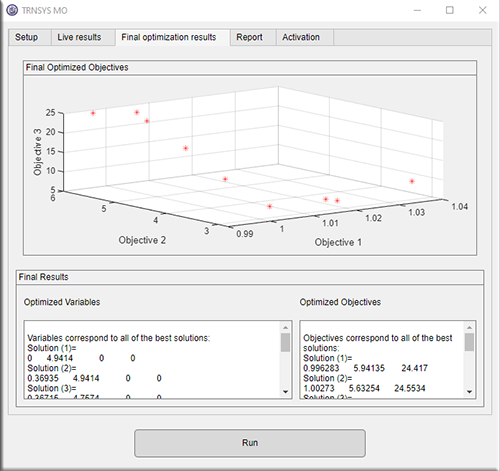
What Is Multi-Objective Optimization? A Practical Guide for Engineers
Multi-objective optimization finds the set of best possible trade-offs between competing goals — cost vs efficiency, size vs performance. Here is how it works,…