-

CFD PINN Turbulence: A RANS Deployment Checklist
A safe CFD PINN turbulence deployment starts with an initialization gate, not a training-loss threshold. Verify prand_k_ML, c_k_ML, and c_omega_2_ML before the coupled RANS…
-

CFD PINN Active Learning: Which Case Runs Next?
After your first CFD cases are generated, the next simulation should be the one most likely to improve the model or expose a dangerous…
-
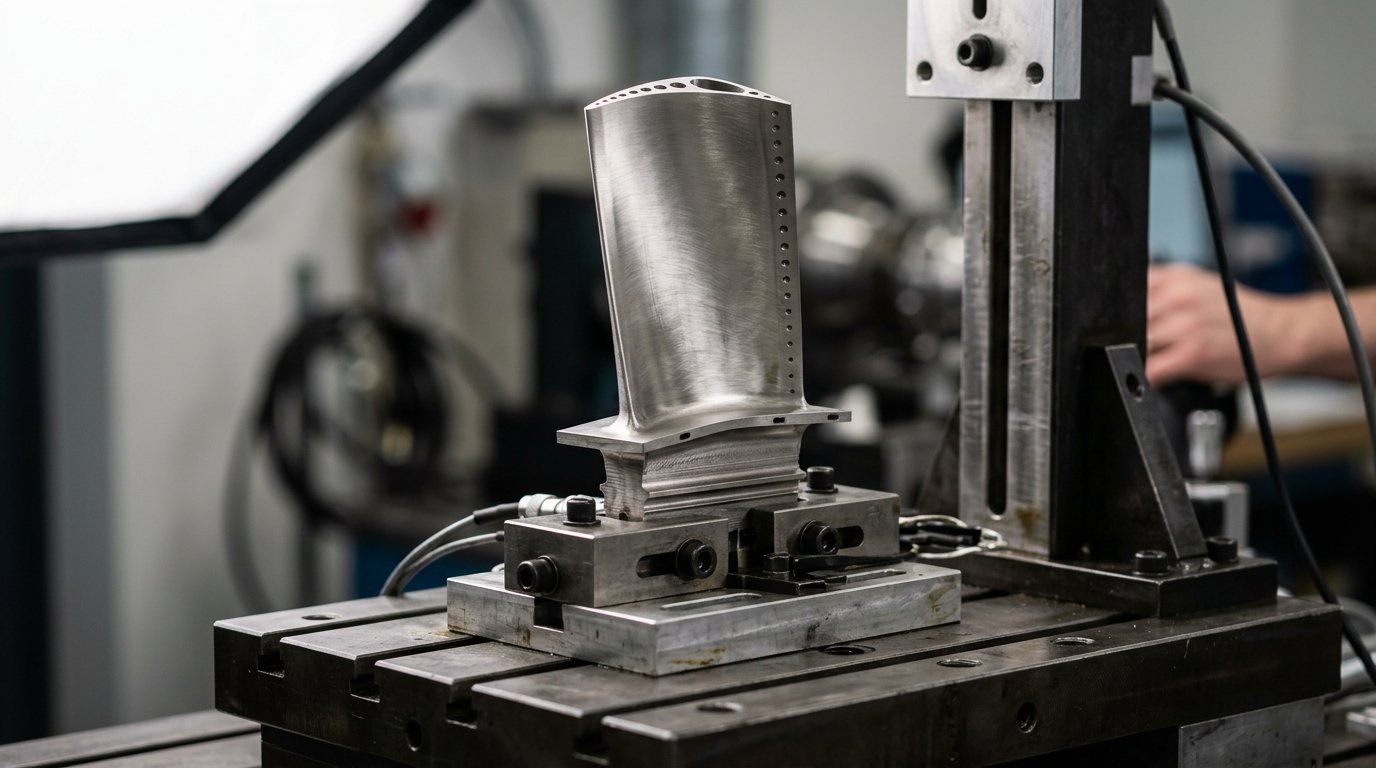
AI Acceleration for Transient CFD Simulations
AI acceleration for transient CFD skips the startup transient entirely. A standard solver marches forward from an initial condition. It waits until the cyclic…
-
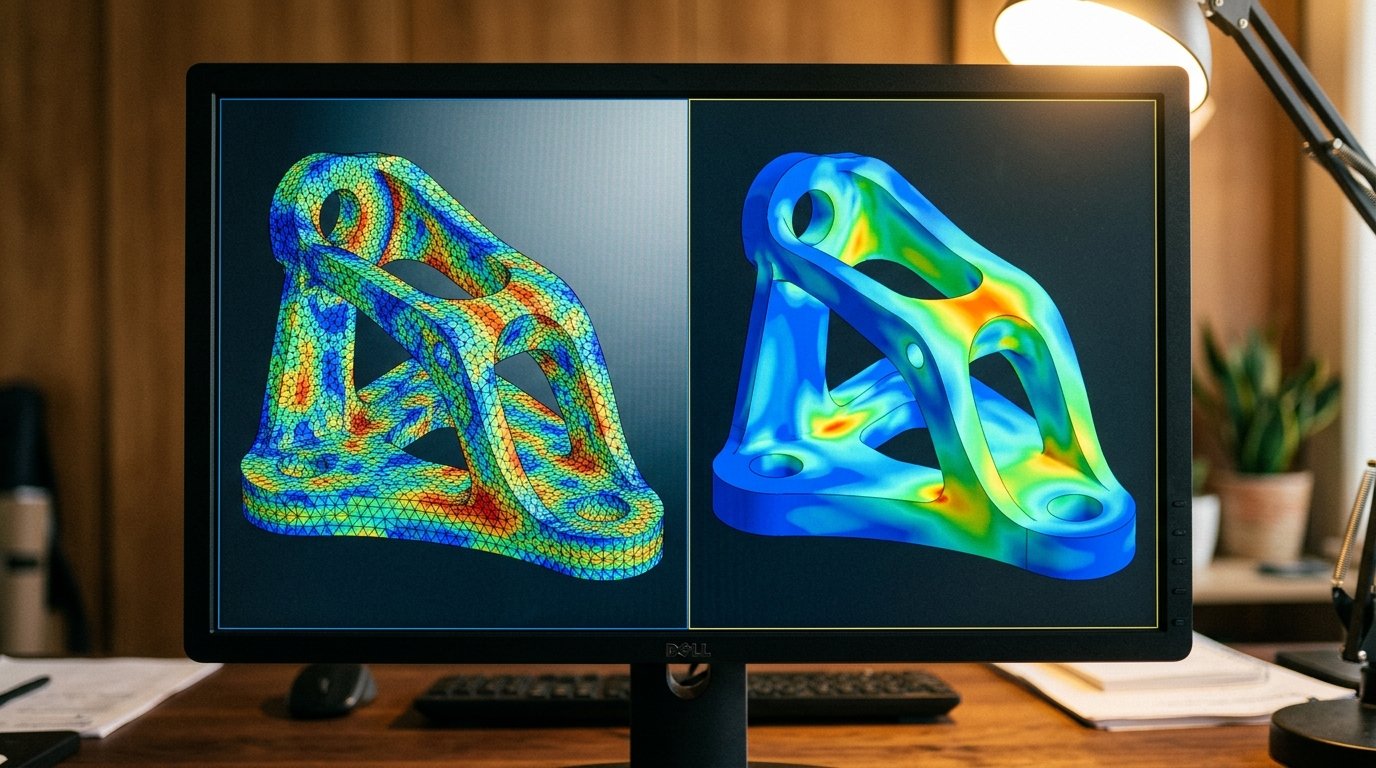
COMSOL AI Surrogate Model: What 6.2 Really Adds
COMSOL 6.2 ships a comsol ai surrogate model workflow directly inside Multiphysics, no external Python pipeline required. The release adds a Deep Neural Network…
-
Hybrid CFD-PINN Modeling: How Coupling Works
Hybrid CFD-PINN modeling does not hand the solver’s job to a neural network. It couples a trained network to your CFD solver at one…
-
PINN vs Neural Operator CFD: A Practical Guide
PINN vs neural operator CFD is the wrong framing if you’re picking an architecture by looking for a winner. A PINN and a neural…
-

CFD PINN Data Center Design for Cooling Optimization
A useful CFD PINN data center workflow starts with a design question: which rack layout, airflow condition, or cooling architecture gives you the best…
-

CFD PINN Residual Monitoring for Transient Runs
A CFD PINN can remain useful over a long transient run, but you should not let it run open-loop. Use CFD PINN residual monitoring…
-
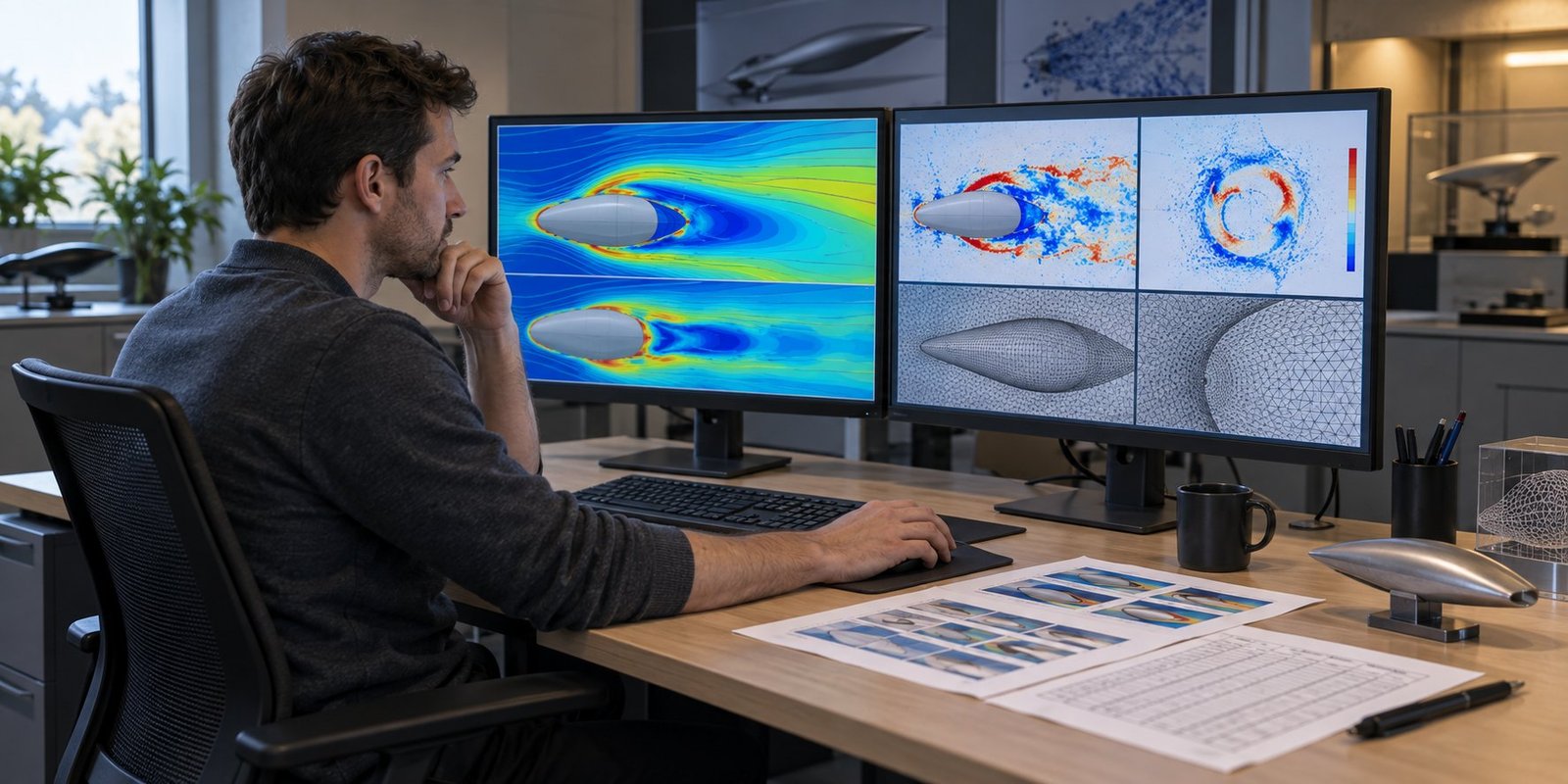
CFD PINN Validation: An Acceptance Test
CFD PINN validation should end with a design-use decision, not a single loss value. Before you let a physics-informed neural network or AI surrogate…
-
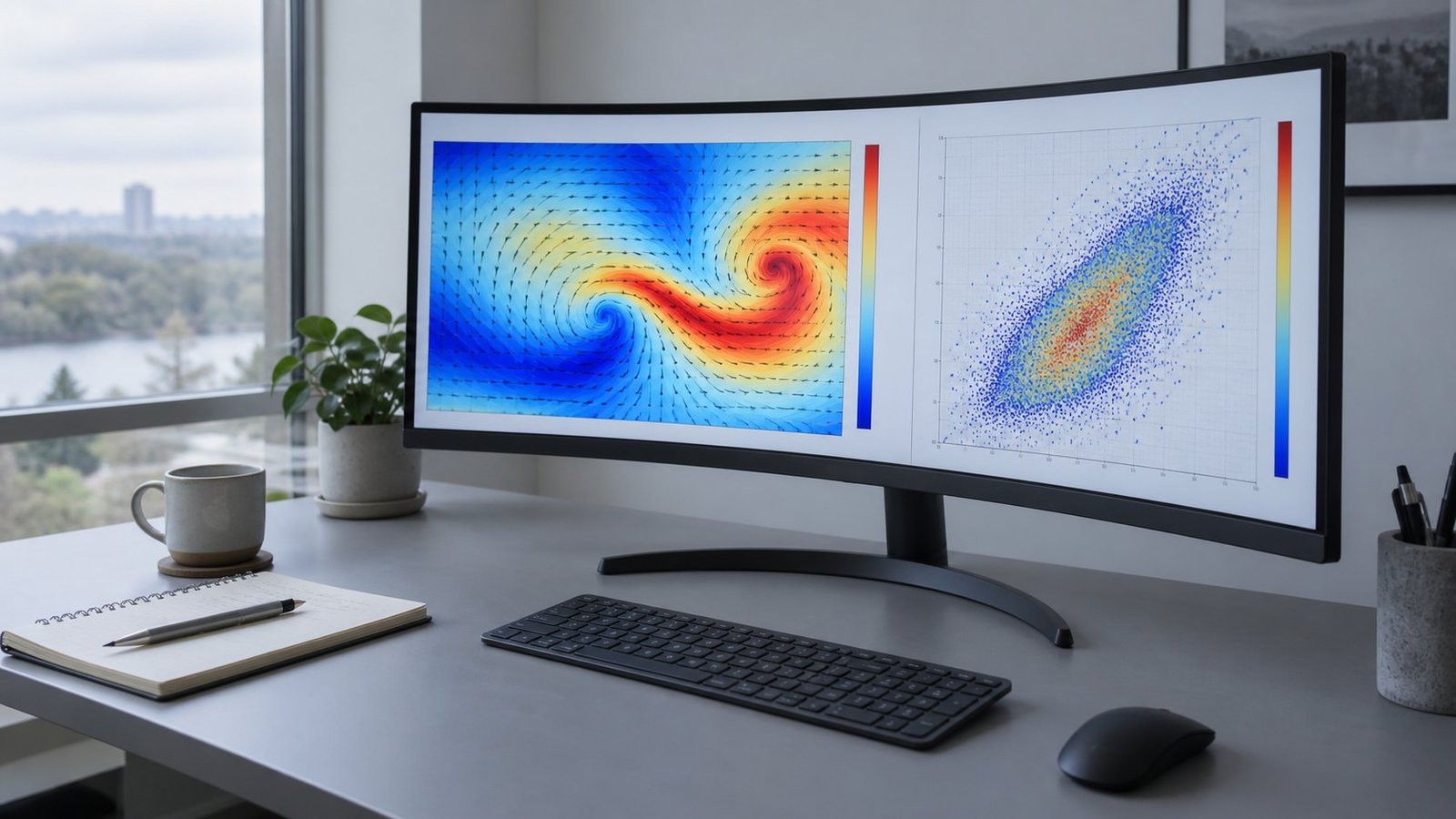
Why PINNs Fail CFD: A Field Debugging Guide
Your PINN reached a training loss of 3e-6 and the velocity field is still wrong. The optimizer is fine. Why PINNs fail CFD reduces…