-
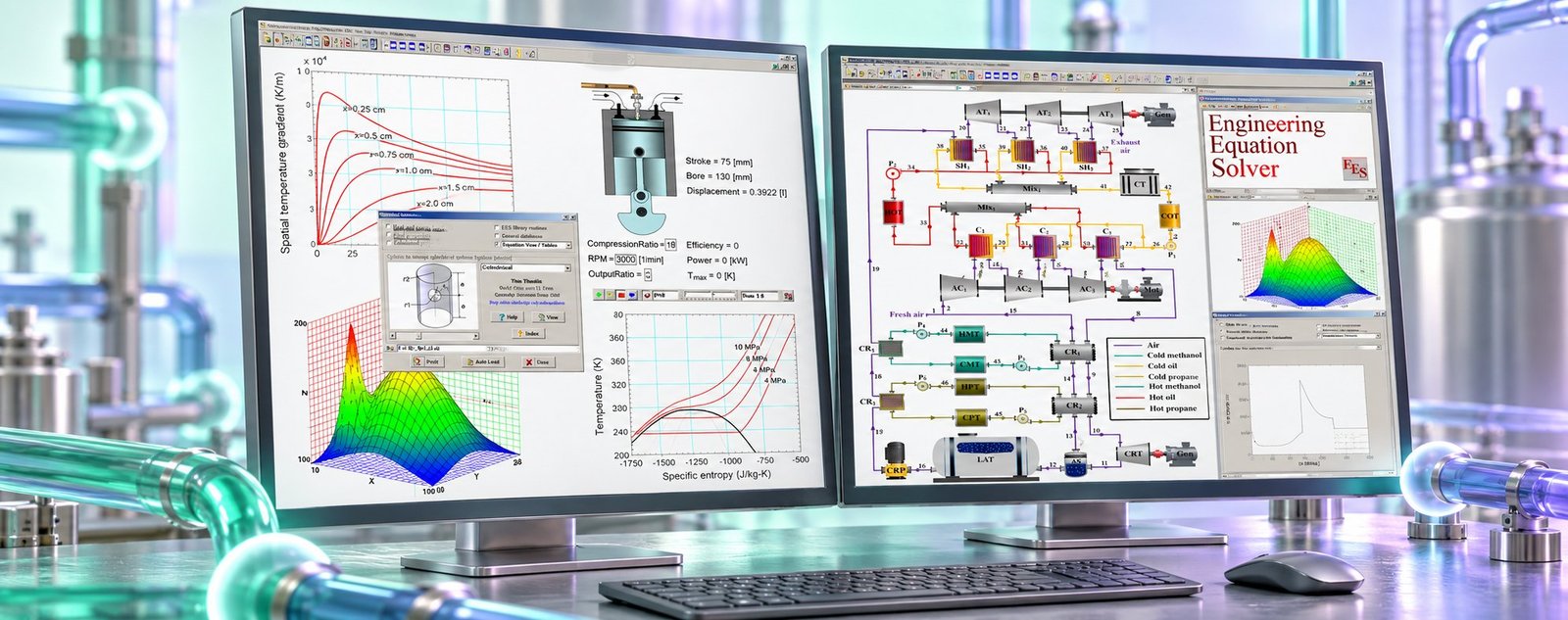
EES optimization methods: license or parallel search?
EES optimization methods are sufficient when you have one objective, bounded variables, and a license with enough optimization capacity. Choose parallel multi-objective search when…
-
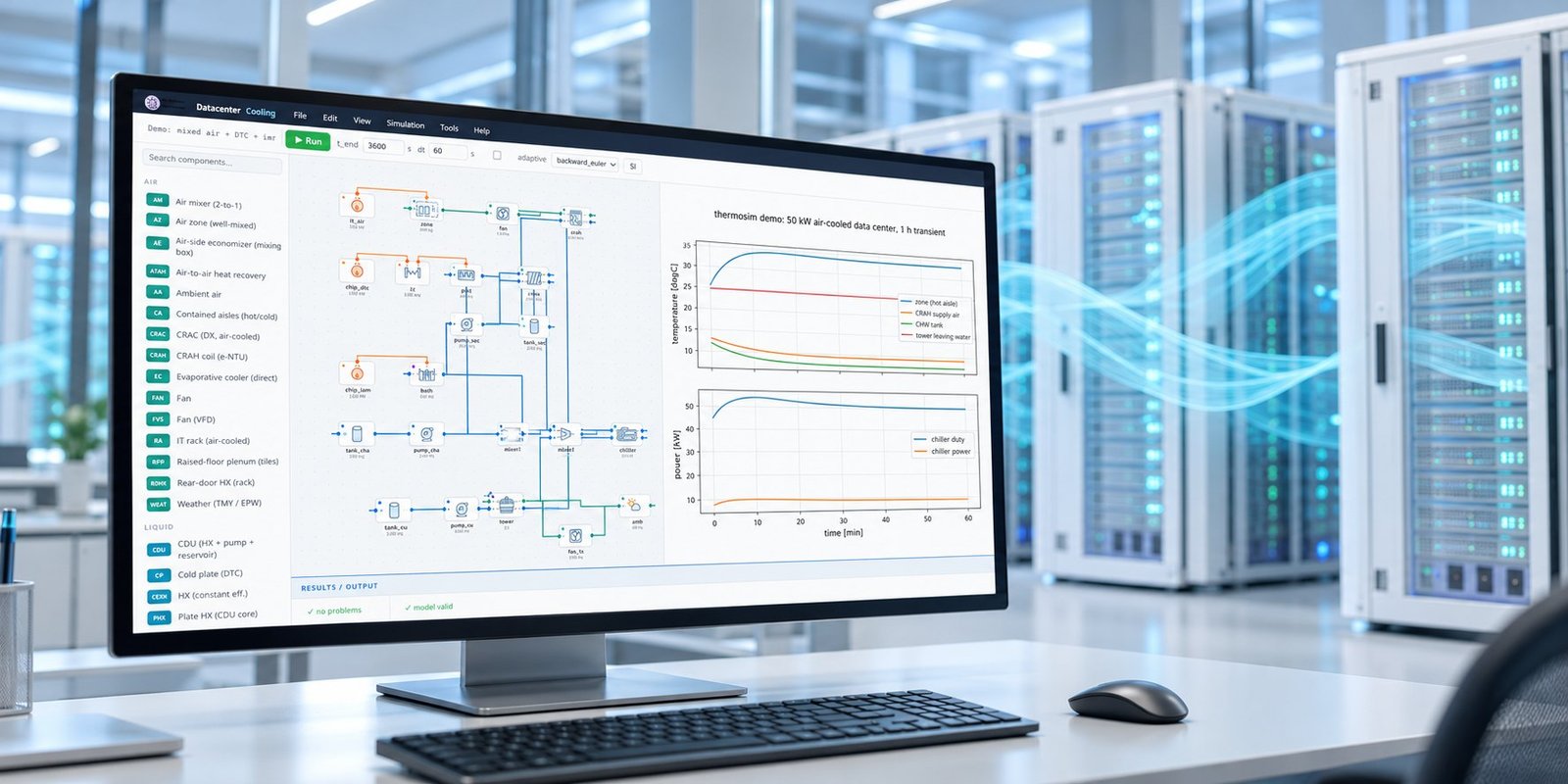
GB300 Cooling Requirements for NVL72
GB300 cooling requirements are a pre-deployment sizing problem, not a single flow number. Start with the rack’s 132 kW nominal TDP, test 25–45°C supply…
-
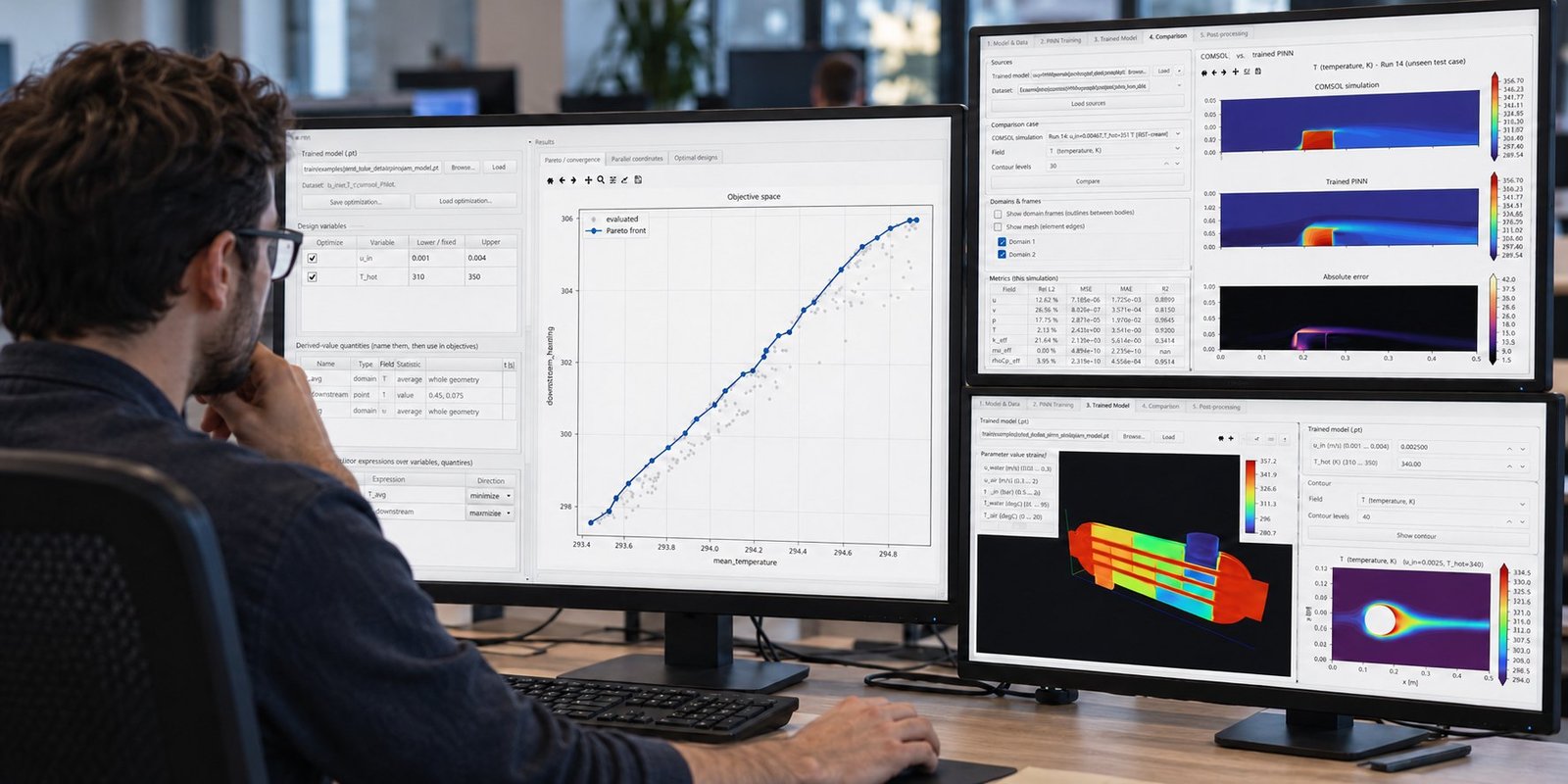
3D Surrogate Model: Field or KPI?
A 3D surrogate model should return a volumetric field when decisions depend on local gradients, hot spots, recirculation, boundary loads, or conservation residuals—not only…
-
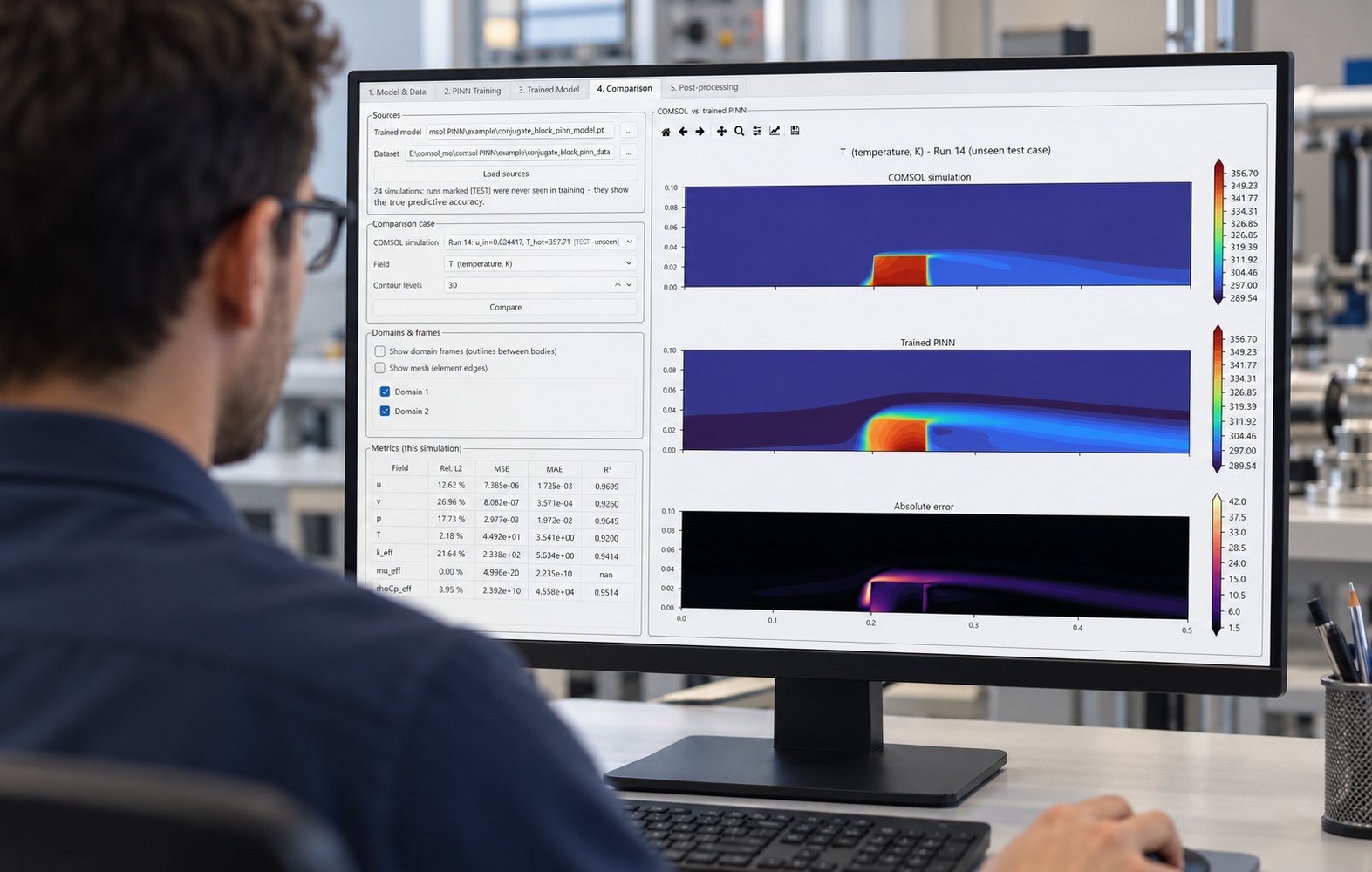
ASHRAE 127 CDU: A Simulation-Ready Test Checklist
ASHRAE 127 CDU Addendum b turns liquid-to-liquid CDU work into a steady-state laboratory rating problem: define TCS and FWS, measure both loops, calculate net…
-
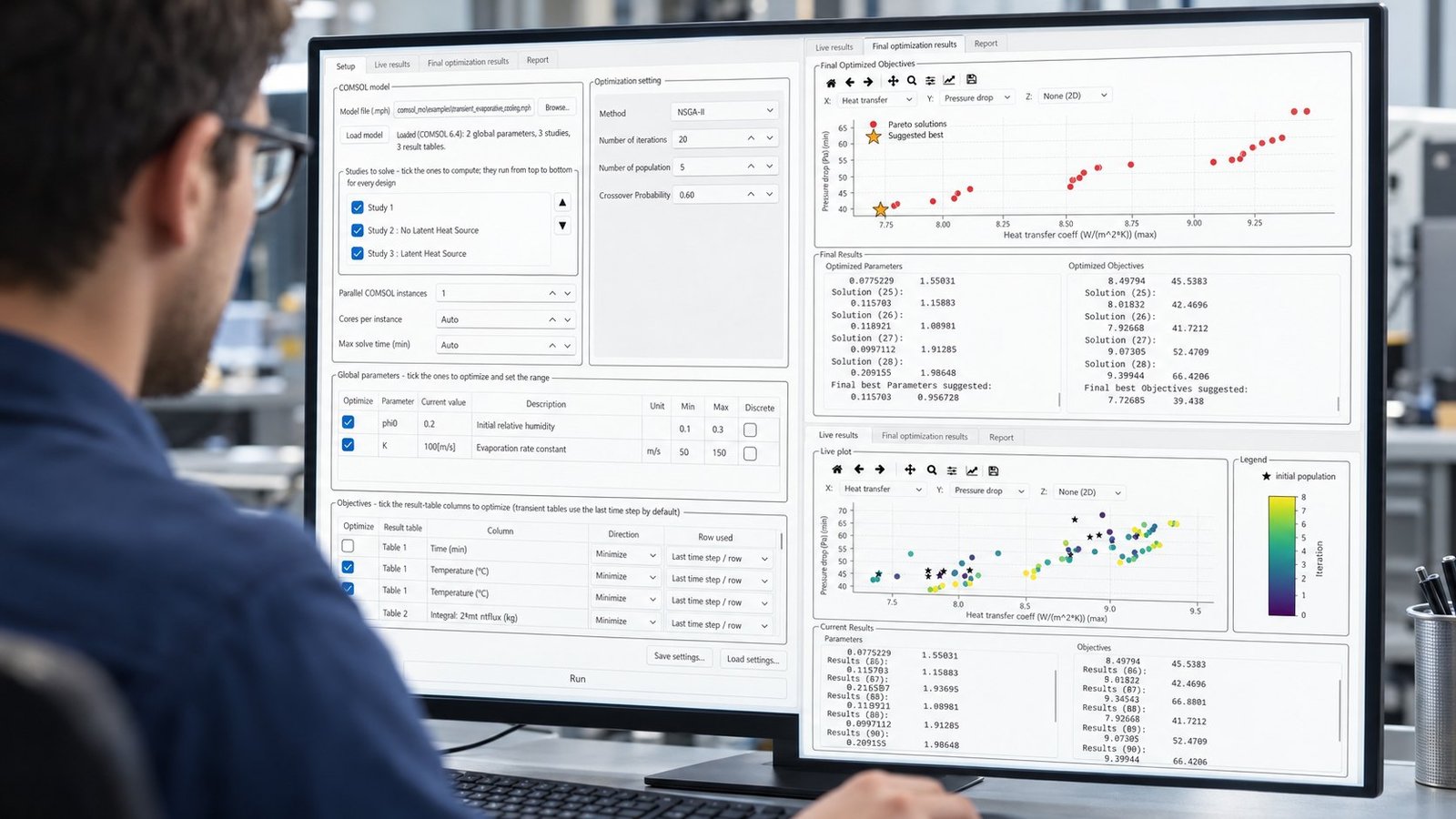
COMSOL Multiphysics Price: A 2026 Workload Guide
comsol multiphysics price is not one universal commercial number. In 2026, your cost depends on license type, required modules, term or perpetual purchase, support…
-
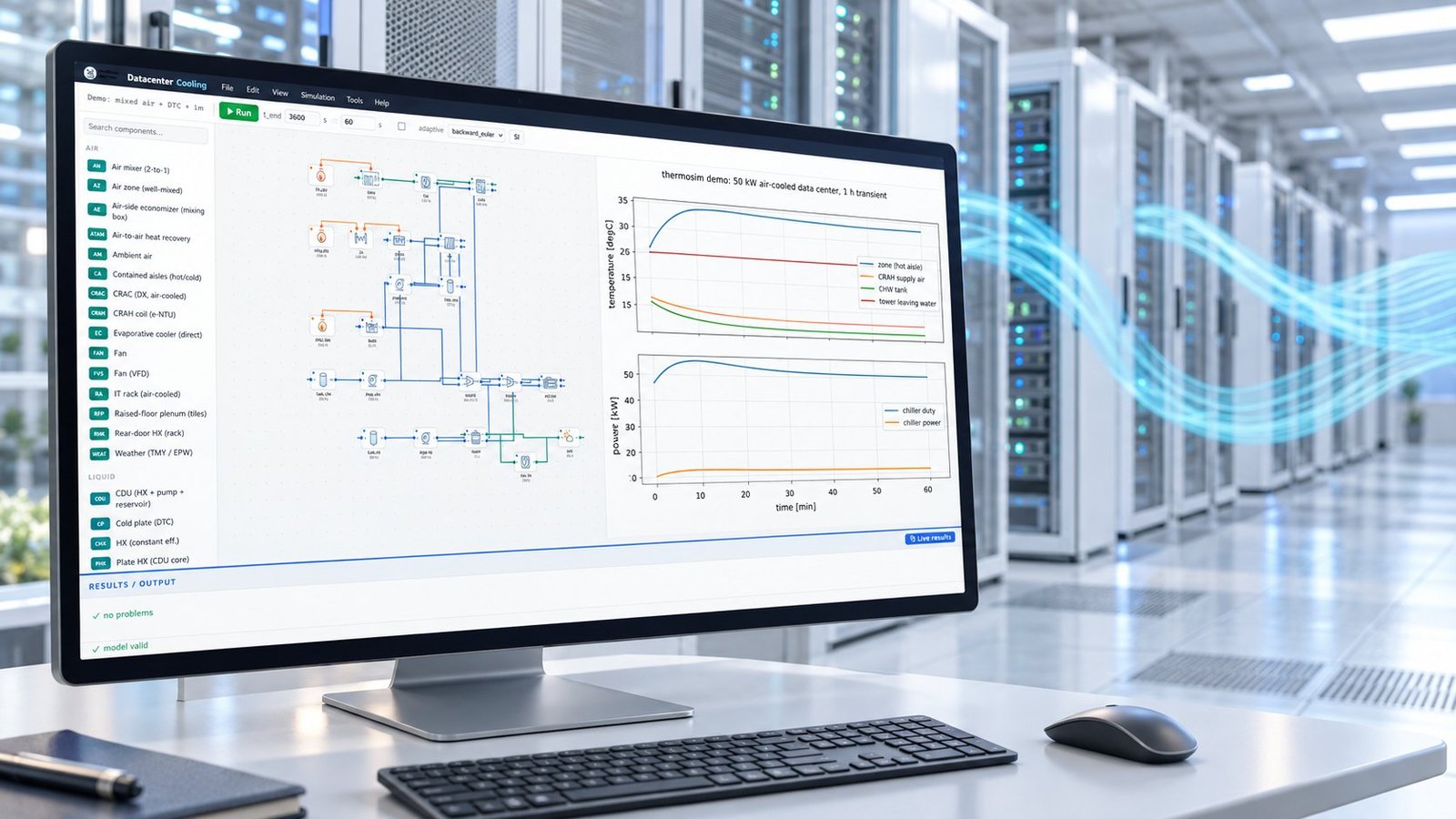
Data Center Coolant Quality in Cooling Models
DCX’s 14 October 2026 announcement makes data center coolant quality an engineering input, not a dashboard status. You should convert pH, conductivity, turbidity, glycol…
-
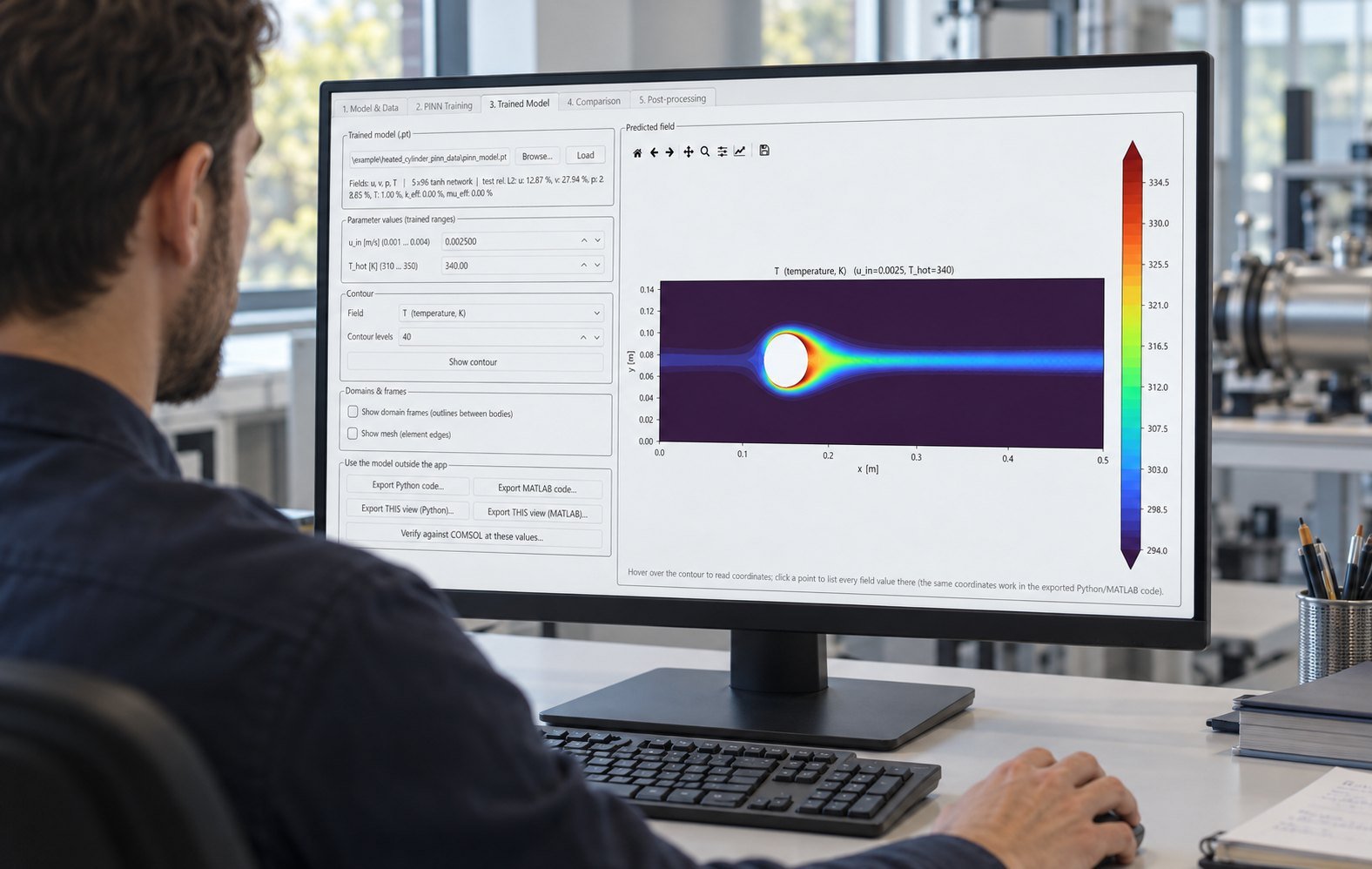
Physics-Informed Neural Simulator: Which Fits CFD?
A physics-informed neural simulator is only a true PINN when its training loss directly enforces governing equations. Most commercial engineering AI products instead learn…
-

Data Center Cooling Load Calculation: Static or Transient?
For data center cooling load calculation, start with a static heat balance for screening. Escalate to transient thermal load modeling when rack power, weather,…
-
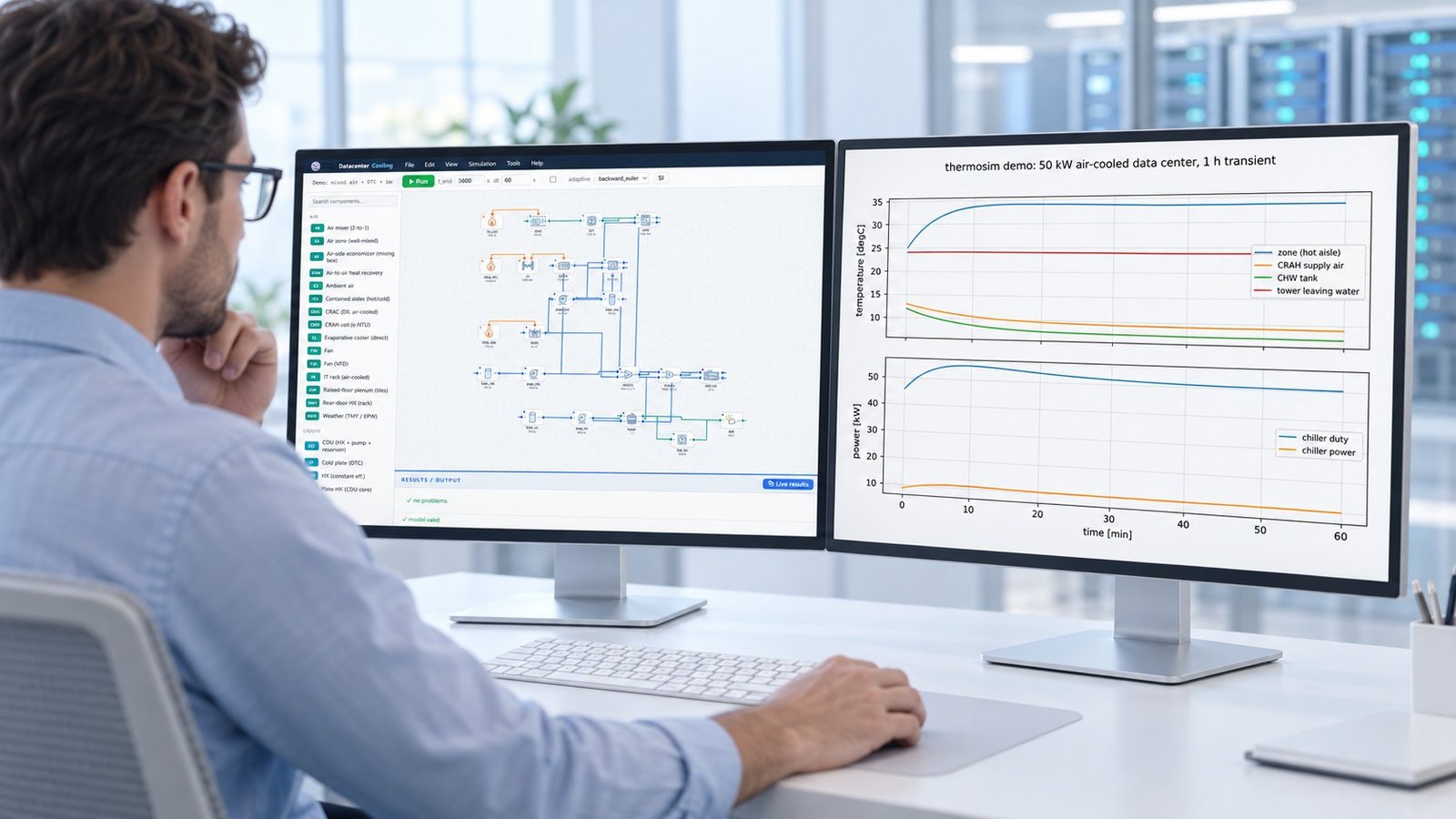
CDU Approach Temperature for Cooling Design
CDU approach temperature is the difference between technology cooling system supply and facility water supply temperature. Use ATD = TCS supply temperature − FWS…
-
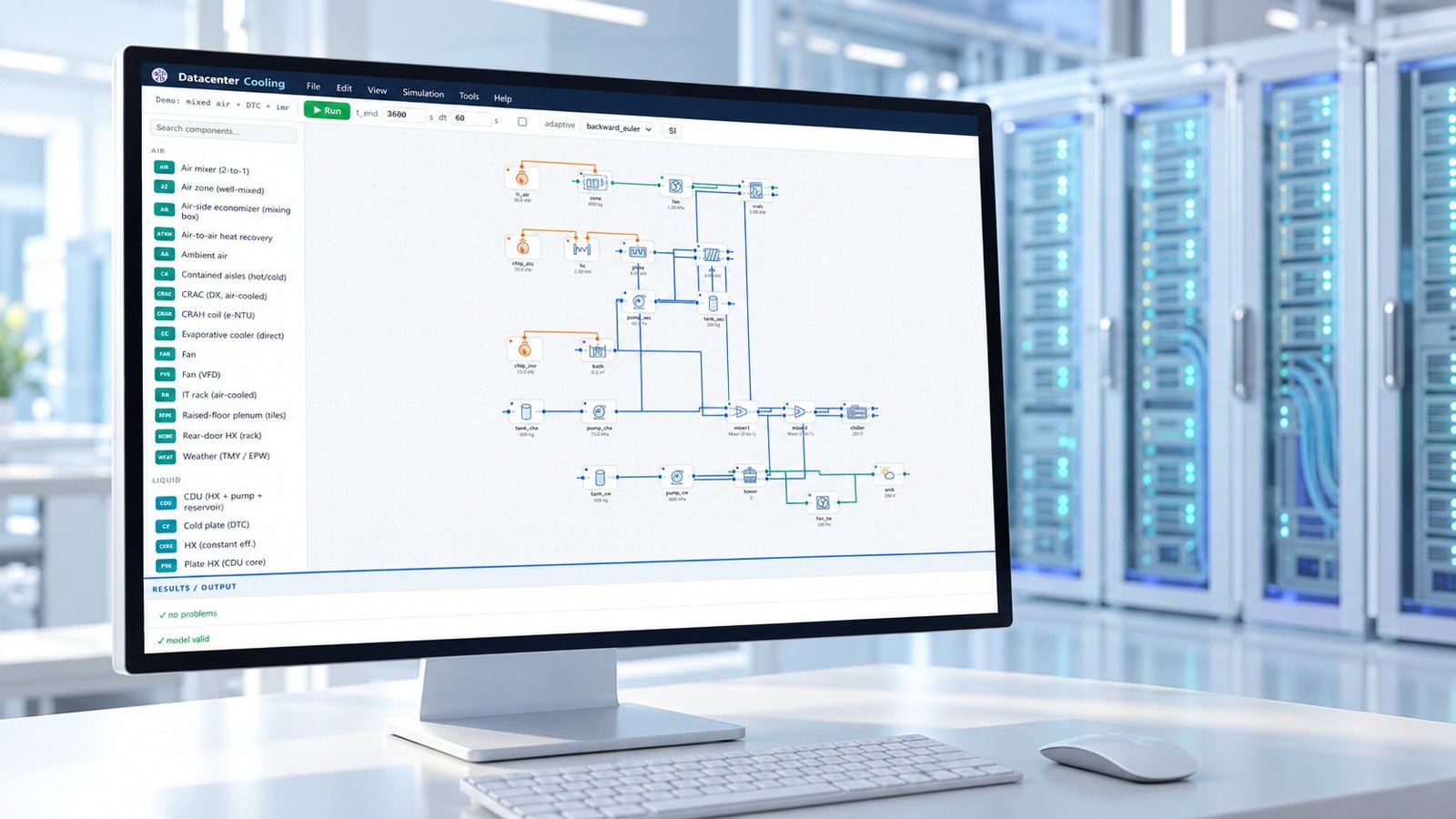
Data Center Cooling System Companies: Buyer Matrix
Compare data center cooling system companies by scoring thermal boundary, named equipment, rated capacity, facility heat rejection, service ownership, and deployment evidence. Then test…