
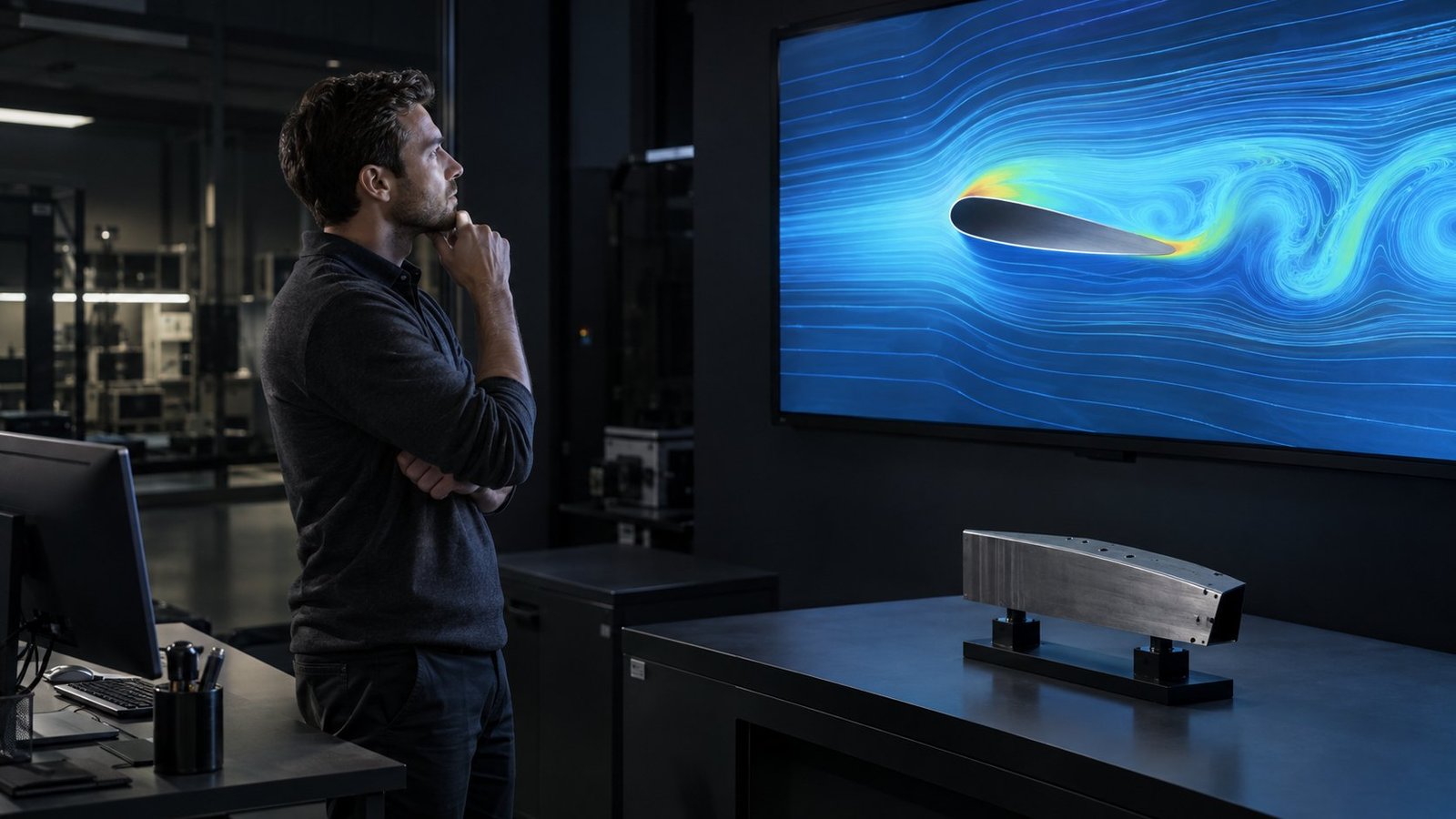
CFD AI tools should be bought by validation evidence, not by a feature list. Test geometry and physics coverage, training-data needs, held-out solver agreement, export paths, and total cost per validated design. That five-test field guide separates useful AI CFD software from document agents, general solvers, cloud platforms, and AI meshing tools.
In 2026, the buying question is changing from which solver to license to which AI surrogate you can trust inside your design loop. Siemens says PhysicsAI can explore thousands of variants, reuse historical DOE results, and predict up to 100 times faster on GPU than CPU. NVIDIA describes CUDA-X, PhysicsNeMo, and Omniverse as a route to interactive CFD exploration.
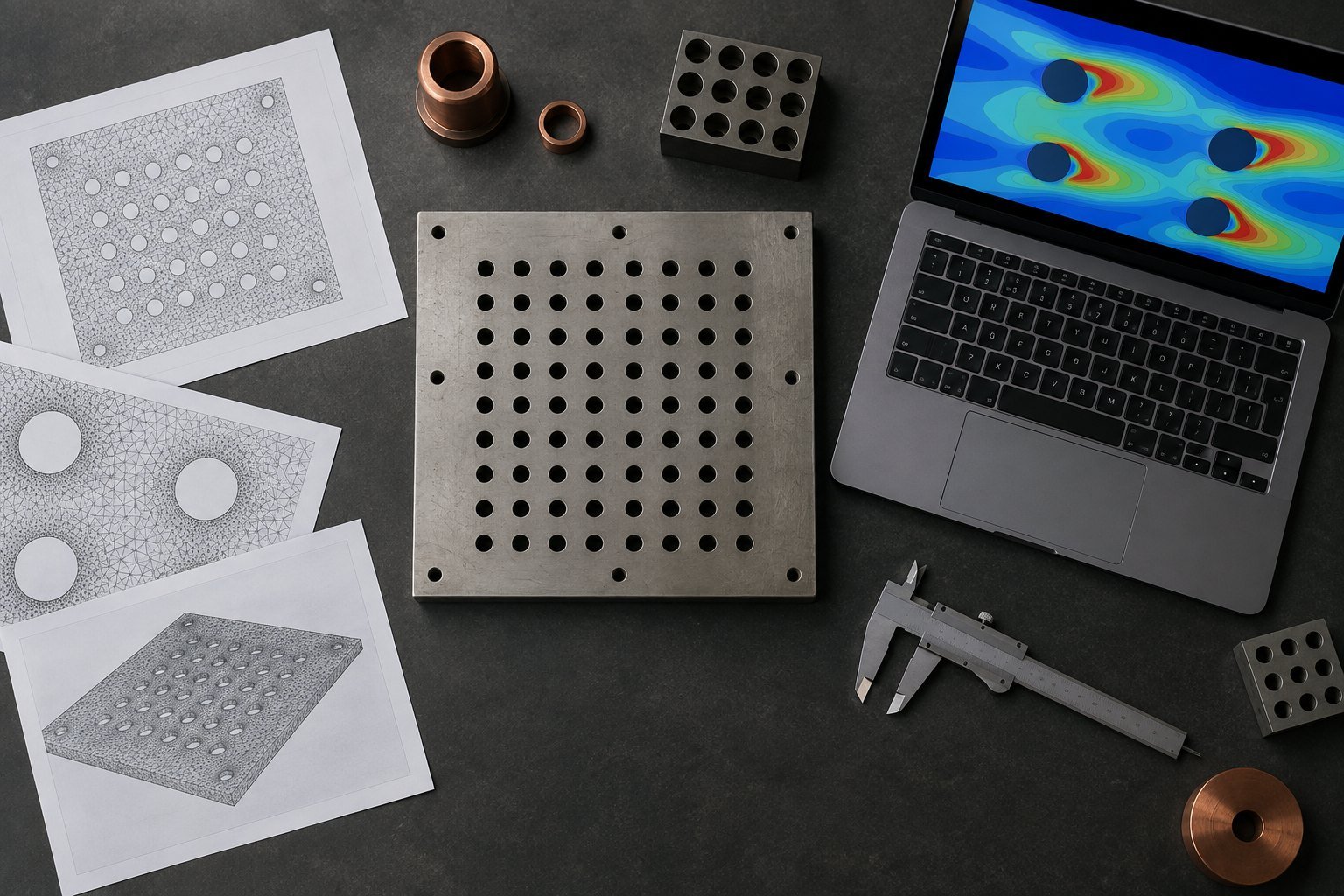
What do current CFD AI tool lists leave out?
Current comparison pages rarely tell you whether a model covers your geometry, agrees with a solver it did not see, exports usable fields, or lowers the cost of a validated design. Those are the buying decisions that matter after a demo.
Energent’s The Market Assessment of AI Tools for CFD Analysis in 2026 and CADHub’s Best CFD Software 2026 roundup are useful market scans, but they combine different product classes. Their coverage includes document-analysis agents, general CFD solvers, cloud platforms, and AI meshing tools. That makes them useful orientation for AI tools for CFD analysis, not acceptance tests for your design workflow.
See also: cfd analysis
Which five tests should every CFD AI tool pass?
Every CFD AI tool should pass five tests before it enters production: supported physics and geometry, training-data requirements, held-out solver verification, deployment and export, and cost per validated design. Run the same geometry family and boundary-condition envelope through each test.
- Physics and geometry coverage. Test the flow regime, boundary conditions, mesh family, topology changes, and relevant Reynolds-number range. Failure mode: the model handles one geometry family but fails after a feature or operating point changes.
- Training-data requirements. Record solver cases, design variables, mesh resolution, labels, and sampling strategy. Failure mode: correlated training data produce a low training error but poor coverage of the actual design space.
- Held-out solver verification. Reserve complete geometries and operating points that the model never saw. Compare fields and engineering objectives against the reference solver. Failure mode: random point splits hide separation, recirculation, or boundary-layer errors.
- Deployment and export. Require field names, units, true-mesh output, batch execution, and CPU or GPU deployment paths. Failure mode: a convincing contour cannot feed your optimizer, postprocessor, or digital-twin pipeline.
- Total cost per validated design. Count training solves, held-out solves, rechecks, wall time, memory, licenses, retraining, and engineering review. Failure mode: cheap inference is offset by expensive data generation and repeated solver verification.
See also: AI Acceleration for Transient CFD Simulations
What should a CFD AI platform show in its benchmark?
A useful CFD AI platform benchmark reports wall time in minutes, peak memory in GB, solver calls, and error percentage for each held-out objective. If a vendor omits one field, record it as unknown and do not treat a speed claim as a validated design cost.
| Benchmark case | Wall time (min) | Memory (GB) | Solver calls | Error percentage | Decision or use when |
|---|---|---|---|---|---|
| Velocity field at Re ≈ 50,000 | Not reported | Measure on your hardware | Not reported | 1–2% velocity error | Use for early screening after held-out geometry passes |
| Temperature field from RANS cases | 112 serial solver minutes (14 × 8) | Measure on your hardware | 14 RANS | 2.4% temperature error | Use as a validation baseline, then check unseen cases |
The 112-minute figure is the serial solver time for 14 eight-minute RANS solves. It is not the full cost of a deployed surrogate. Add training, held-out verification, memory demand, inference hardware, and engineering review before comparing offers.
How does Multi Optimization qualify an AI CFD model?
Multi Optimization uses the COMSOL model as the reference workflow: you provide a COMSOL .mph input, choose among eight selectable architectures, and inspect true-mesh field output. The workflow keeps model choice and optimization method explicit, with 16 optimization methods and CPU/GPU editions available.
You can review the AI CFD surrogate modeling workflow alongside COMSOL optimization for the surrounding design loop. The objective is not a generic prediction score. You need a field that stays usable inside geometry changes, optimization runs, and solver checks.
In Multi Optimization examples, a velocity model reaches 1–2% error at Re approximately 50,000. A temperature example reaches 2.4% error from 14 eight-minute RANS solves. Treat those results as benchmark evidence, not a universal acceptance limit. Set your threshold before fitting the model.
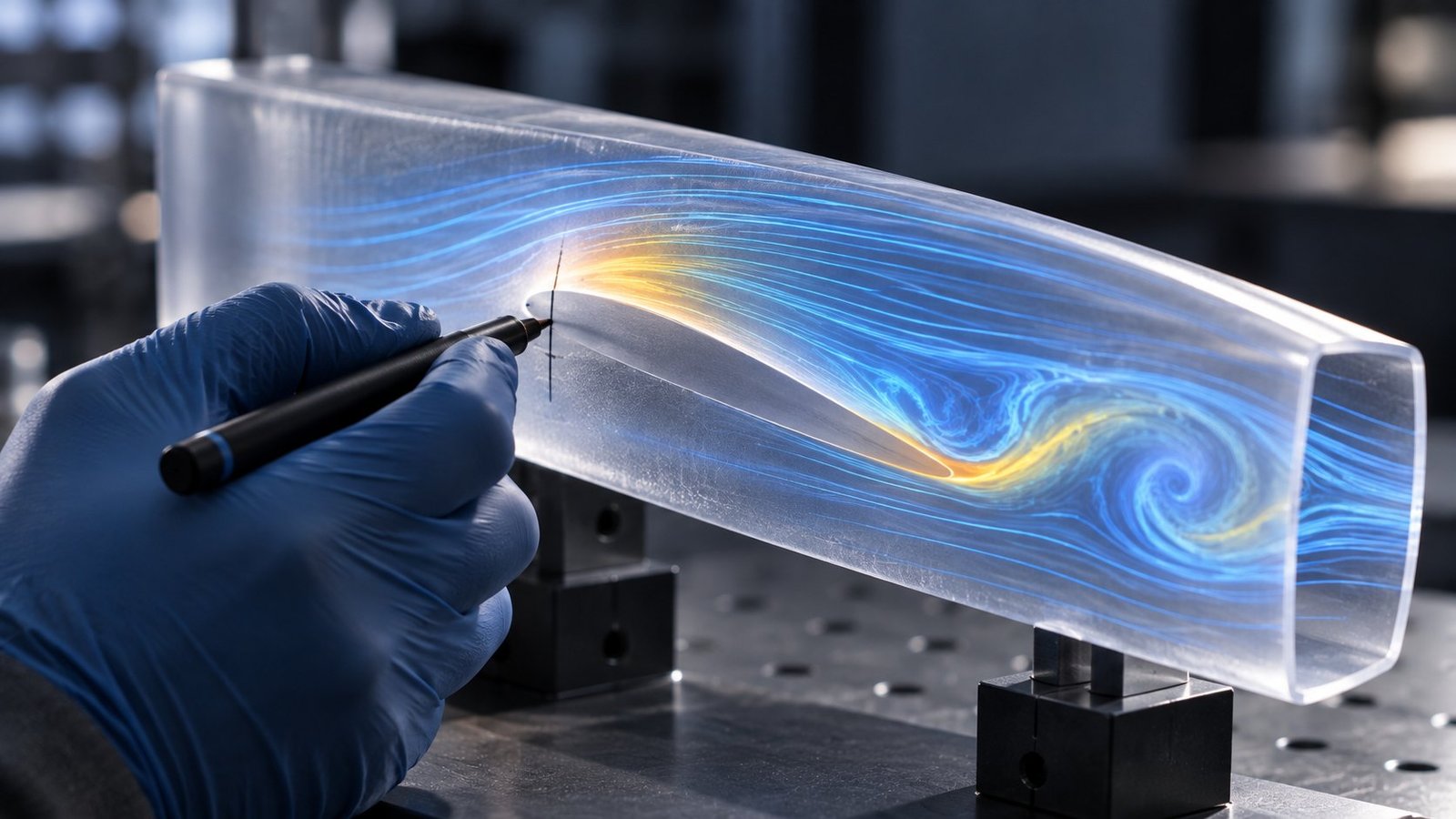
How do you compare speed with cost per validated design?
Compare speed only after counting the work that creates trust. A useful cost figure is training solver calls plus held-out solver calls plus rechecks, multiplied by wall time and loaded compute rate, then added to licenses, memory, deployment, and engineering review.
Siemens reports that PhysicsAI can reuse historical DOE data, explore thousands of variants, and run predictions up to 100 times faster on GPU than CPU. NVIDIA’s reference architecture combines CUDA-X-accelerated solvers, PhysicsNeMo AI-physics models, and Omniverse visualization. Ask where your fields go after inference and whether the export path fits your existing tools.
For each candidate, request one fixed report: geometry envelope, physics coverage, training cases, held-out cases, wall time, memory, solver calls, error percentage, export format, and cost per validated design. The report gives you a like-for-like engineering decision without ranking products by marketing claims.
CFD AI tools FAQ
Is AI CFD software a replacement for a high-fidelity solver?
No. AI CFD software should reduce exploratory solver calls. Keep the high-fidelity solver as the reference for held-out verification, final candidates, and failure-mode checks.
How much error should a CFD AI model allow?
There is no universal percentage. Set separate limits for velocity, pressure, temperature, and derived objectives. The 1–2% velocity and 2.4% temperature examples show how to report results, not what every project must accept.
What should you export from a CFD AI platform?
Require true-mesh fields, units, boundary-condition metadata, objective values, and a batch or API path. A contour image alone is not an engineering output.
How should you choose CFD AI tools in 2026?
Choose the CFD AI tool that passes your five tests on your geometry and solver setup. Start with held-out agreement and exportability, then compare wall time, memory, solver calls, and total cost per validated design. Multi Optimization Admin provides AI and Machine Learning Software for validated CFD exploration for teams that need surrogate modeling inside an optimization workflow.